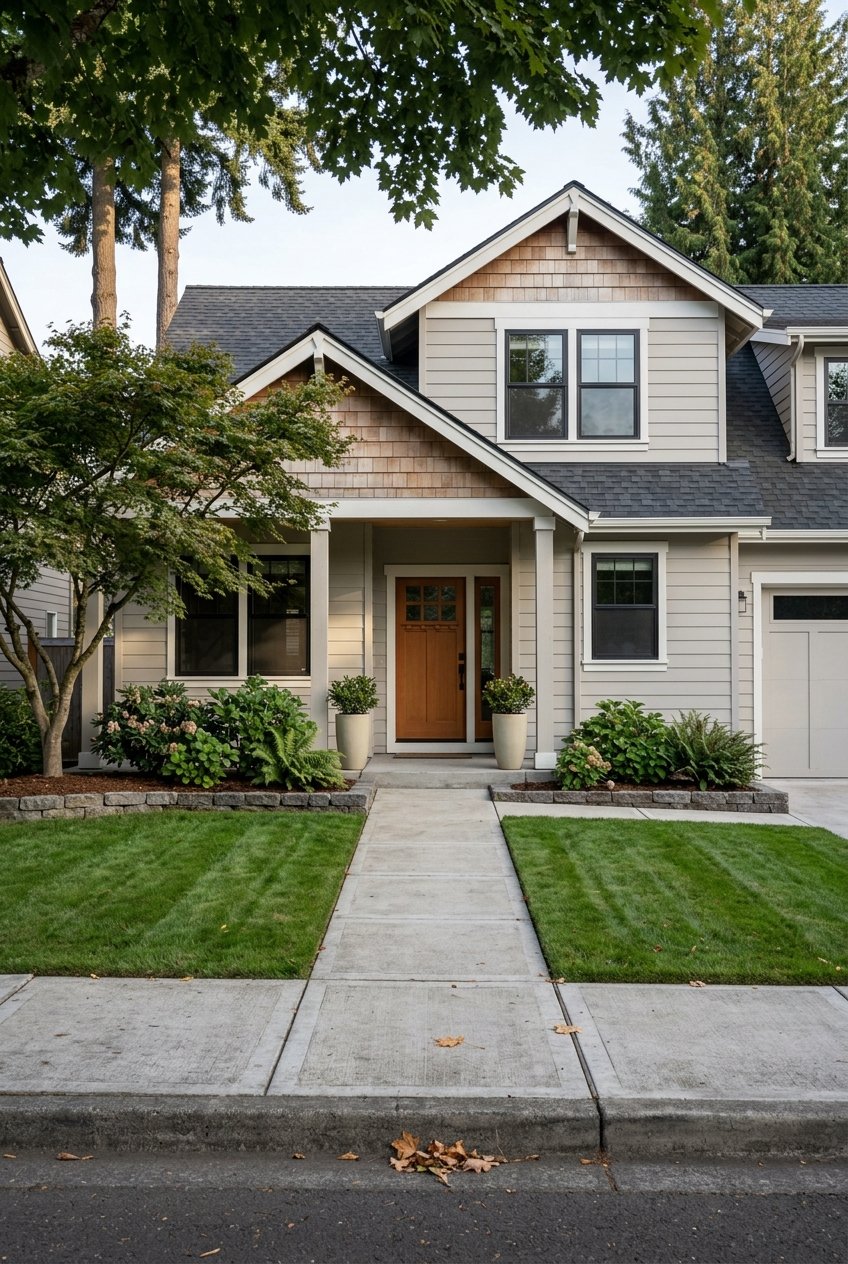
If you are thinking about selling in Lakemont, your prep work can shape the entire result. In a premium 98006 market where homes can move quickly, buyers often notice presentation, condition, and first impressions right away. The good news is that you do not need to guess which updates matter most. With the right plan, you can focus on the improvements that help your home show well, photograph beautifully, and launch with confidence. Let’s dive in.
Why prep matters in Lakemont
Lakemont sits within Bellevue’s Cougar Mountain/Lakemont area, which the City of Bellevue describes as scenic, trail-connected, and known for newer homes and notable views. The area also has a substantial share of households with children, and in ZIP code 98006, the latest ACS estimates show high median household income, a highly educated adult population, and an average household size of 2.8 people. Those factors suggest many buyers are looking for homes that feel polished, functional, and ready for daily life. You can review Bellevue’s neighborhood overview and local profile on the City of Bellevue website.
Pricing data also points to a market where preparation can have a real impact. Zillow reported a typical 98006 home value of $1,649,419 as of February 28, 2026, with a median list price of $1,562,500 and homes pending in about 7 days, according to its 98006 home values page. In a market like that, a strong launch can help you capture attention while your listing is fresh.
Start with high-impact basics
Before you think about major upgrades, focus on the basics buyers see and feel first. The National Association of Realtors reported that agents most often recommend decluttering, cleaning the entire home, and improving curb appeal before listing. Those simple steps can make your home feel more spacious, better maintained, and easier to picture as someone’s next home, according to NAR’s 2025 staging report.
NAR also notes that sellers often benefit more from repainting and checking roof condition than from diving into large renovation projects. That matters in Lakemont, where many homes already have strong underlying appeal. If your home is generally in good shape, a clean, crisp, well-maintained presentation may do more for your sale than an expensive custom remodel.
Focus on updates with practical return
If you are deciding where to spend money, look for updates that improve first impressions without creating a long, disruptive project. NAR’s 2025 Remodeling Impact Report found strong estimated cost recovery for a new steel front door, closet renovation, fiberglass front door, and new vinyl windows. A minor kitchen upgrade also made the list, but at a lower estimated recovery than many simpler improvements, based on NAR’s remodeling guidance.
For many Lakemont sellers, that points to a practical strategy: refresh what buyers notice right away, then address anything that could raise concerns during showings or inspections. You do not need to overhaul every room. You want your home to feel cared for, easy to live in, and ready for its next chapter.
Smart pre-listing improvements
Here are some of the most useful updates to consider before listing:
- Deep cleaning throughout the home
- Decluttering surfaces, shelves, and storage areas
- Interior paint in worn or highly personalized rooms
- Front door paint or hardware refresh
- Landscaping touch-ups and seasonal cleanup
- Pressure washing walkways, siding, or patios where needed
- Window cleaning to maximize natural light
- Floor repair or replacement in visibly worn areas
- Closet and storage organization
- Small cosmetic kitchen or bath updates
- Roof review and maintenance if needed
This list reflects NAR’s seller-prep priorities and what tends to matter in a polished, higher-end market.
Prioritize curb appeal and entry impact
Your exterior sets the tone before a buyer walks inside. In a scenic neighborhood like Lakemont, where outdoor surroundings and views are part of the appeal, the approach to your home matters. Clean pathways, trimmed landscaping, fresh mulch, and a tidy front entry can instantly make the property feel more inviting.
The front door deserves special attention. NAR found that replacing or improving the front entry can deliver strong value relative to cost. If a full replacement is not necessary, a fresh coat of paint, updated hardware, and good lighting can still elevate the experience.
Make the interior feel light and easy
Once buyers step inside, they should be able to focus on the home, not your stuff. That is one reason decluttering remains one of the most common agent recommendations. Clean counters, open walkways, organized closets, and simplified furniture placement help rooms feel larger and more functional.
In Lakemont, it also helps to lean into natural light and clean sightlines. Because the area is known for scenic surroundings and view-oriented homes, your presentation should make windows, outdoor connections, and brighter spaces feel like assets. Even small changes, like removing heavy window coverings or rearranging furniture, can support that goal.
Stage the rooms that matter most
Not every room needs the same level of attention. According to NAR, the living room, primary bedroom, and kitchen are among the highest-priority spaces for staging because they help buyers visualize daily life in the home. NAR also found that 83% of buyers’ agents said staging makes it easier for buyers to picture a property as their future home, according to the Profile of Home Staging findings.
That does not mean every home needs an elaborate redesign. It means your key spaces should feel intentional, balanced, and move-in ready. Often, that looks like edited furnishings, clear room purpose, fresh bedding, neutral styling, and a layout that highlights space rather than filling it.
Rooms to tackle first
If your time or budget is limited, prioritize in this order:
- Living room
- Kitchen
- Primary bedroom
- Entry
- Main bathrooms
- Outdoor entertaining areas
This approach helps you put energy where buyers are most likely to focus.
Invest in photography before launch
A standout sale in Lakemont usually starts online. NAR reports that 52% of buyers found the home they purchased online, and 81% rated listing photos as the most useful feature during their home search, based on NAR’s online visibility guidance. That means your photos are not a side detail. They are one of the most important parts of your launch.
Professional photography works best when the home is fully ready before the shoot. Cleaning, staging, landscaping, and minor repairs should happen first. In Lakemont, the photo strategy should usually emphasize natural light, outdoor spaces, and any views or open sightlines that connect with the neighborhood’s scenic identity.
Sequence the work the right way
One of the biggest mistakes sellers make is doing the right tasks in the wrong order. When prep feels overwhelming, the issue is often not the amount of work. It is the lack of a clear sequence. A calm, structured plan can save time and reduce unnecessary costs.
A practical pre-listing workflow often looks like this:
- Walk through the home and identify needed repairs
- Triage must-do items versus nice-to-have updates
- Schedule vendors for repairs, paint, flooring, and cleaning
- Complete landscaping and exterior touch-ups
- Stage the home after the work is finished
- Photograph the property once it is fully presentation-ready
- Launch with pricing and marketing while the listing feels fresh
This process aligns with both NAR’s prep guidance and Compass’s approach to seller readiness.
Consider Compass Concierge options
If you want to improve your home before listing but would rather avoid paying certain upfront costs out of pocket, Compass offers Compass Concierge. Compass describes the program as a way to front the cost of eligible services such as staging, flooring, painting, landscaping, deep cleaning, moving and storage, seller-side inspections and evaluations, and some repairs, with zero due until closing.
Compass also notes that repayment is due when the home sells, when the listing agreement ends, or after 12 months from the start date, and depending on the state, fees or interest may apply. Eligibility is not guaranteed, and credit approval and underwriting are required. For many sellers, the real benefit is not just funding. It is having a clear plan for which improvements are worth doing and how to coordinate them efficiently.
Why local guidance makes a difference
Selling in Lakemont is not just about completing a checklist. It is about knowing how to prepare a home for the buyers most likely to respond to this location, price point, and style of property. That includes making thoughtful decisions about repairs, presentation, timing, photography, and launch strategy.
With a hands-on process, you can avoid overspending on low-impact work and focus on the updates that support a stronger first impression. If you want expert help with vendor coordination, prep strategy, staging direction, and a smooth listing plan, Carissa Saffel can help you prepare your Lakemont home for market with clarity and confidence.
FAQs
What repairs matter most before selling a Lakemont home?
- The most important pre-listing items are usually decluttering, deep cleaning, curb appeal improvements, paint touch-ups, and fixing visible wear that could distract buyers or raise concerns.
Is staging worth it for a home sale in Lakemont?
- Yes. NAR reports that staging helps buyers visualize a home, and the highest-priority spaces are typically the living room, primary bedroom, and kitchen.
Should you remodel your 98006 home before listing?
- Usually, it makes sense to start with lower-disruption updates that improve first impressions, unless your home has obvious dated systems, deferred maintenance, or inspection-related issues.
How important are listing photos for a Bellevue-area home sale?
- Very important. NAR reports that many buyers find homes online and that listing photos are the most useful online search feature for most buyers.
What is Compass Concierge for Lakemont sellers?
- Compass Concierge is a Compass program that may help cover eligible pre-listing improvement costs, such as painting, flooring, staging, landscaping, cleaning, and certain repairs, with payment deferred until later under program terms and approval requirements.