If you are looking at single-family homes in Lakemont, one thing becomes clear fast: this is not a one-size-fits-all neighborhood. You are likely comparing lot size, views, layout, and school assignment just as much as square footage and price. This guide will help you understand what buyers typically find in Lakemont, how the housing stock compares with the broader Bellevue market, and what details matter most as you narrow your search. Let’s dive in.
Lakemont Homes at a Glance
Lakemont is part of Bellevue’s Cougar Mountain/Lakemont area, where the city describes a mix of single-family and multi-family housing set on steep grades with scenic views, trail connections, and a neighborhood shopping area. In practical terms, that often means a more wooded, topographic setting than you will find in flatter Eastside neighborhoods.
For single-family buyers, Lakemont tends to stand out for larger homes, greener surroundings, and view-oriented streetscapes. The neighborhood is also relatively tight on inventory. Redfin neighborhood data showed only three Lakemont homes for sale, with a March 2026 median sale price of $2,050,000.
Build Eras You Will Commonly See
Most single-family homes in Lakemont trace back to the late 1980s through the late 1990s. Recent and current MLS examples also show some homes from the 2000s and 2010s, but the neighborhood’s core housing stock is largely late-20th-century.
That matters when you walk homes in person. You may find properties with original bones from the 1980s or 1990s, fully updated homes with modern finishes, or houses that were expanded and renovated more recently. In other words, two homes with similar ages can feel very different depending on how much work has been done.
Common Home Styles in Lakemont
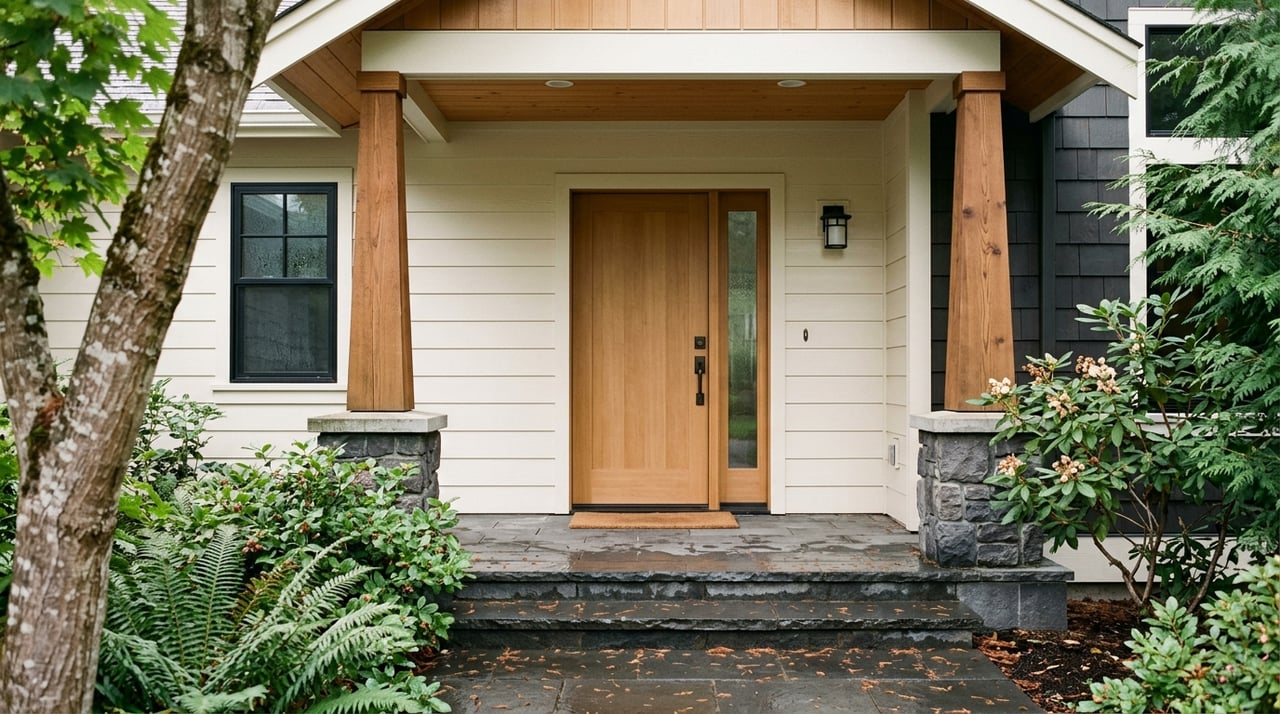
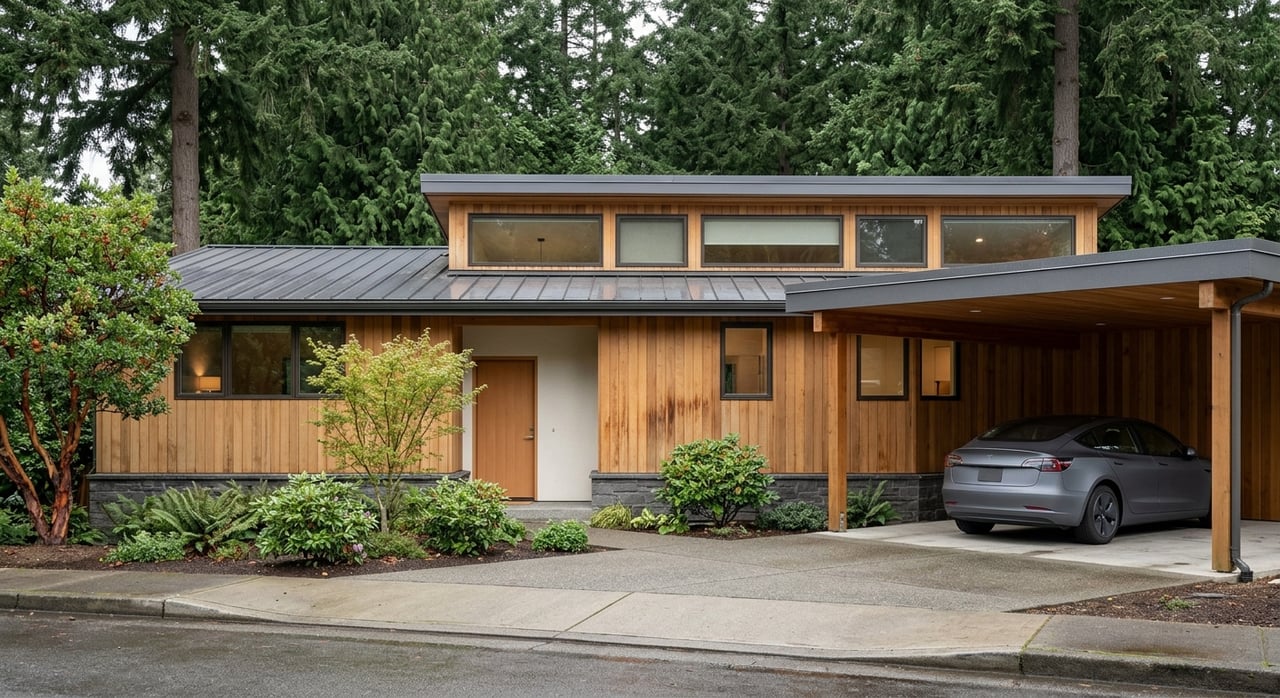
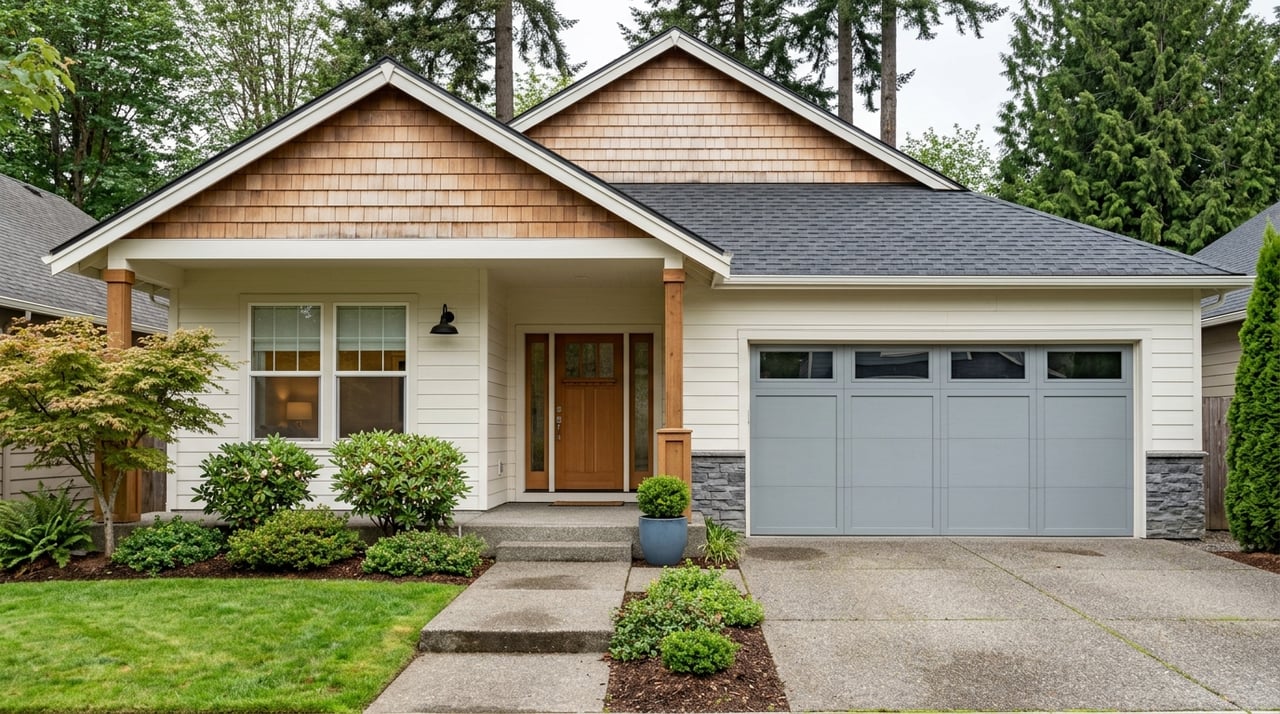
Lakemont leans toward Northwest craftsman, traditional, custom estate, and daylight rambler designs. You are less likely to see highly compact modern infill here.
Recent examples include William Buchan residences, custom estate properties, a 2012 Northwest craftsman, and a renovated 1986 custom home. Many of these homes reflect the design preferences of their era, with more formal living and dining areas, larger footprints, and layouts designed to take advantage of wooded outlooks or panoramic views.
Lot Sizes and Site Conditions
One of the biggest things to expect in Lakemont is variety in the lot itself. This is not a neighborhood where every home sits on the same kind of parcel.
Recent examples range from smaller suburban-style lots around 5,531 to 6,698 square feet to larger lots around 0.23 to 0.40 acres, with at least one example at 0.84 acres. Some properties sit on cul-de-sacs or corner lots, while others back to greenbelts, include seasonal streams, or are positioned to capture views.
Why Topography Matters
Bellevue specifically notes the area’s steep grades, and that affects how homes live. A sloped site can create opportunities for daylight basements, walkout lower levels, decks with territorial or panoramic outlooks, and added privacy from neighboring homes.
At the same time, topography can also shape driveway slope, yard usability, and how outdoor space is laid out. When you tour Lakemont homes, it helps to pay close attention to how the lot functions day to day, not just how it looks from the street.
Interior Layouts Buyers Often Find
Lakemont single-family homes often appeal to buyers who want room to spread out. The most common pattern in recent examples is a larger home with 4 to 6 bedrooms and roughly 3,000 to more than 5,200 square feet.
Inside, you are likely to see a mix of features such as:
- Formal living and dining rooms
- Open kitchens connected to family rooms or great rooms
- Main-floor offices or dens
- Bonus rooms or loft spaces
- Main-floor bedrooms or guest suites
- Lower-level rec rooms or daylight basements
- Oversized 2-car or 3-car garages
This layout mix is one reason Lakemont attracts buyers who want flexibility. Whether you need work-from-home space, room for guests, or separate hangout areas, many homes here were designed with multiple living zones.
Features That Show Up Often
Recent listings also point to several recurring features that buyers tend to notice right away:
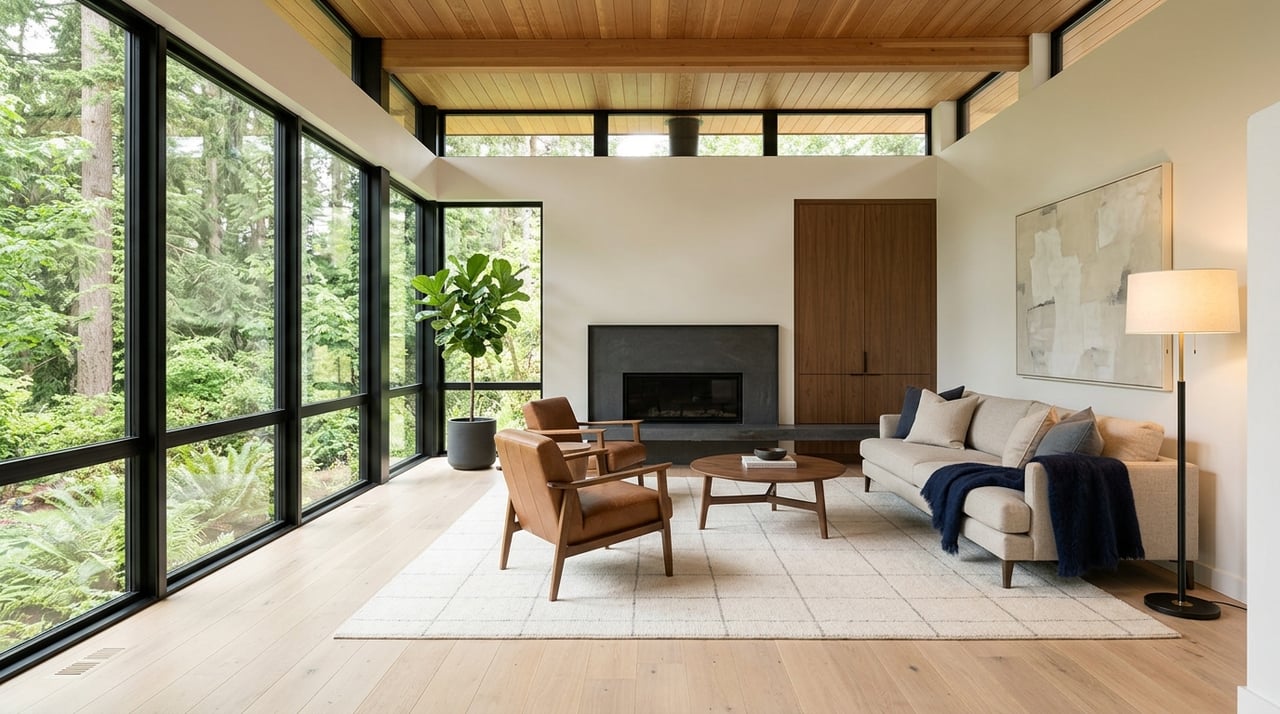
- Large kitchen islands and open-concept gathering spaces
- Vaulted ceilings
- Strong natural light
- Walls of windows
- Renovated primary baths
- Decks, patios, or sport courts
- Treetop, greenbelt, or view-focused living areas
These details can make a late-1990s home feel much more current, especially when updates have been done thoughtfully.
Pricing in Lakemont vs. Bellevue
Lakemont generally commands a premium compared with the broader Bellevue market. Redfin reported a March 2026 median sale price of $2.05 million for Lakemont, while Bellevue’s median sale price was reported at $1.575 million in February 2026. Zillow’s Bellevue home value index was also lower, at $1,527,243 as of April 30, 2026.
Those are different data points, so they are best read directionally rather than as exact apples-to-apples comparisons. Still, the pattern is clear: Lakemont tends to price above the broader Bellevue market, largely because the homes are often bigger, more private, and more view-oriented.
How Competitive the Market Is
If you are shopping in Lakemont, expect competition to remain meaningful even in a market that is not as frenzied as past peak periods. Redfin described 98006 as the most competitive part of the local market, with homes receiving five offers on average and selling in about seven days.
That is faster than Bellevue citywide, where homes were averaging about three offers and around 10 days on market. Zillow also reported Bellevue homes going pending in about nine days as of April 30, 2026.
What That Means for Buyers
King County inventory has improved compared with prior years. NWMLS reported active listings were up 34.9% year over year in March 2026. Even so, Lakemont buyers should not assume that the best homes will sit.
The practical takeaway is simple: you may have a little more breathing room than in the tightest market conditions, but well-prepared homes with strong lots, views, or updated interiors can still move quickly.
School Boundary Details to Check
One detail many buyers do not realize at first is that Lakemont does not fall into a single school district. According to the City of Bellevue, about half of the area is in Bellevue School District, while the rest is in Issaquah and Renton districts.
Recent listings also show that some Lakemont homes are assigned to Cougar Ridge Elementary, Cougar Mountain Middle, and Issaquah High. If school assignment is part of your decision, it is worth confirming the specific assignment for each address you consider rather than assuming the entire neighborhood feeds the same schools.
Who Lakemont Tends to Fit Best
Lakemont is often a strong match if you want:
- A Bellevue address
- A larger single-family home
- A setting with trees, trails, or greenbelt adjacency
- More privacy than many flatter suburban neighborhoods
- A home with views or a more distinctive site
It may be less aligned if you are focused on a lower price point, small-lot new construction, or a more urban, walkable environment. Much of Lakemont’s appeal comes from space, topography, and a quieter residential feel.
What to Watch When Touring Homes
Because Lakemont homes vary so much from one street to the next, it helps to evaluate each home through both a lifestyle and property lens.
Here are a few smart things to watch for:
- Lot usability: How much of the outdoor space is flat and functional?
- Privacy: Does the home back to greenbelt, neighboring homes, or a road?
- Natural light: Does the layout and siting bring in enough light year-round?
- Updates: Has the home been renovated, expanded, or largely kept in original condition?
- Floor plan: Does the layout match how you actually live today?
- School assignment: Is the assigned district and school path what you expect for that address?
These details often matter just as much as bedroom count or headline square footage.
Why Local Guidance Helps in Lakemont
Lakemont can look straightforward on a map, but in practice, the neighborhood asks buyers to weigh a lot of moving parts. Age of construction, lot shape, slope, view orientation, update level, and school assignment can all shift a home’s value and day-to-day fit.
That is where local, property-specific guidance can make the process feel a lot more manageable. When you understand not just what is available, but also how one Lakemont home compares with another, it becomes much easier to make a confident decision.
If you are thinking about buying or selling in Lakemont, Carissa Saffel can help you evaluate the details, understand the market, and move forward with a clear plan.
FAQs
What types of single-family homes are common in Lakemont?
- Most Lakemont single-family homes date from the late 1980s through late 1990s, with some newer homes from the 2000s and 2010s. Common styles include Northwest craftsman, traditional, custom estate, and daylight rambler homes.
How large are single-family homes in Lakemont?
- Recent examples suggest many Lakemont homes offer 4 to 6 bedrooms and about 3,000 to more than 5,200 square feet, often with multiple living areas and larger garages.
How expensive are Lakemont homes compared with Bellevue overall?
- Lakemont has been pricing above the broader Bellevue market. Redfin reported a March 2026 Lakemont median sale price of $2.05 million, compared with Bellevue’s reported median sale price of $1.575 million in February 2026.
How competitive is the 98006 market for Lakemont buyers?
- Redfin described 98006 as highly competitive, with homes receiving about five offers on average and selling in around seven days, which is faster than Bellevue citywide averages.
What should buyers know about school assignments in Lakemont?
- Lakemont does not fall into just one school district. The City of Bellevue says the area is split among Bellevue, Issaquah, and Renton districts, so it is important to confirm the assignment for each specific property.
What lot characteristics should buyers expect in Lakemont?
- Buyers can expect a mix of lot types, including cul-de-sacs, corner lots, greenbelt parcels, view lots, and properties shaped by steeper topography. Lot sizes range from smaller suburban parcels to larger estate-style sites.