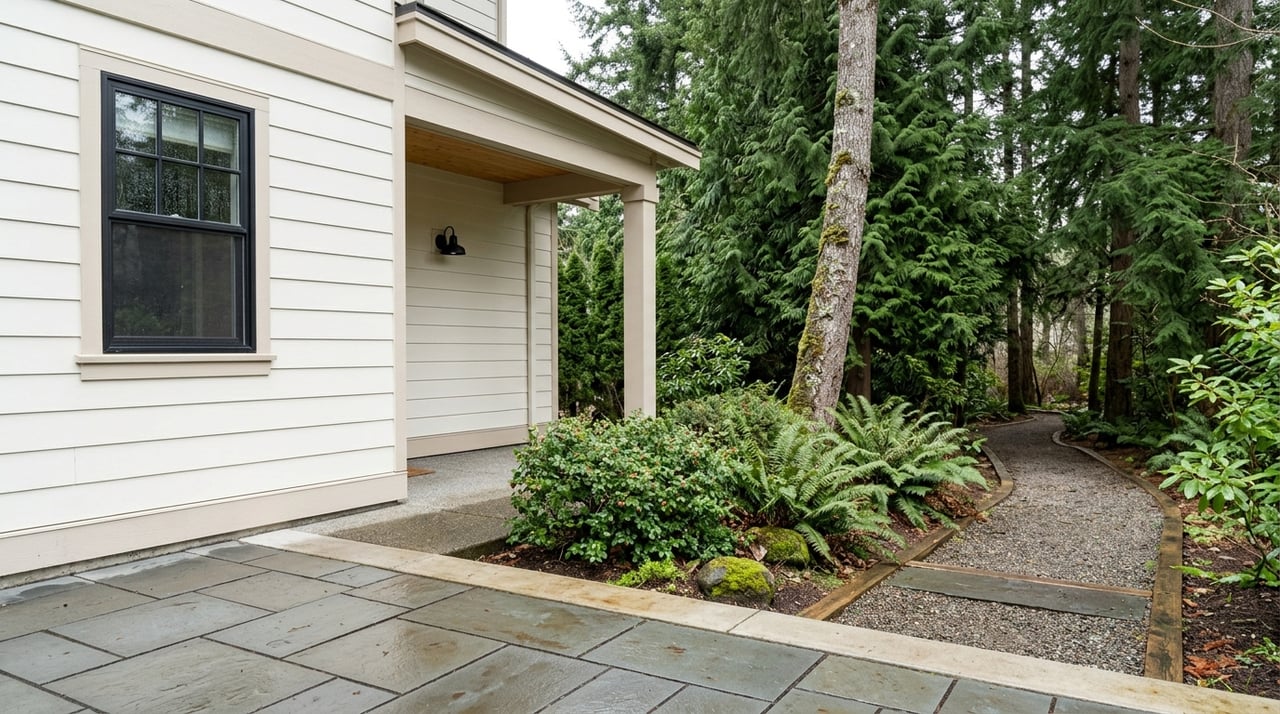
Looking for a neighborhood where outdoor time feels built into the day, not reserved for special occasions? In Lakemont, that rhythm is one of the area’s biggest draws. If you are exploring Bellevue neighborhoods or thinking about a move within the Eastside, understanding how parks and trails actually fit into daily life can help you picture what living here may feel like. Let’s dive in.
Lakemont outdoor life at a glance
Lakemont sits in Bellevue’s Cougar Mountain/Lakemont area, a scenic hillside neighborhood with a mix of single-family and multi-family homes. According to the City of Bellevue, a pedestrian trail network links homes to neighborhood parks, other neighborhoods, Lewis Creek, Cougar Mountain parks, and the Lakemont shopping center.
That trail-connected layout is a big part of Lakemont’s appeal. At the same time, it helps to know that the terrain is not flat. Bellevue notes that steep grades are part of the area’s character, and some routes include stairs, which can shape how you plan walks, stroller outings, and weekend recreation.
Parks that support everyday routines
When people picture outdoor living, they often think about big weekend hikes. In Lakemont, the day-to-day experience may be just as important. The local park system gives you options for quick playground stops, casual walks, court time, and easy green-space breaks close to home.
Lakemont Community Park
Lakemont Community Park, at 5170 Village Park Drive SE, is one of the neighborhood’s most practical outdoor hubs. This 16-acre park includes a play area, two picnic shelters, a basketball court, two tennis courts, four pickleball courts, a skate bowl, trails, restrooms, and a softball field.
For many buyers, this is the kind of park that matters because it can serve different needs in one stop. A short visit can mean playground time, a quick game on the courts, or a loop on the trails. Bellevue also notes that the park’s stormwater system is designed to help reduce flooding and protect Lewis Creek and Lake Sammamish.
Lewis Creek Park
Lewis Creek Park, at 5808 Lakemont Blvd SE, adds a more nature-forward option to everyday life. The 55-acre park preserves more than 80% of its land as undeveloped natural area, with wetland, meadow, and forest habitats.
The park also blends natural space with practical amenities. You will find nearly three miles of trails, a visitor center, separate play areas for younger and older children, basketball, soccer and baseball fields, and restrooms open from dawn to dusk. That mix makes it useful for both a quiet walk and a more activity-filled afternoon.
Lakemont Highlands Neighborhood Park
Lakemont Highlands Neighborhood Park, at 15800 SE 63rd St, is smaller at 1.32 acres, but that is part of its value. It offers paved trails, picnic tables, a play area, basketball, and tennis courts.
For nearby residents, a compact park like this can be ideal for shorter outings. Sometimes the best outdoor amenity is not the biggest one. It is the one that fits naturally into your routine.
Trail connections shape the neighborhood
One of Lakemont’s strongest lifestyle features is how the trails connect spaces together. Instead of treating parks as isolated destinations, the area offers a more layered system where neighborhood routes feed into larger open-space experiences.
That can make the neighborhood feel more integrated for buyers who want access to nature without driving to a trailhead every time. It is less about a single signature park and more about the way multiple options work together.
Lakemont Park Trails
Bellevue describes the Lakemont Park Trails as a 3-mile system that circles the neighborhood and connects Lakemont Park with Lewis Creek Park. These are multiple-use trails, and the soft-surface routes drop down toward Lewis Creek.
This is also where local topography matters. Some sections are steep or include stairs, so the experience can vary depending on your pace and mobility needs. For casual walkers, that means Lakemont is best understood as trail-connected rather than flat or uniformly walkable.
Cougar Mountain access nearby
For bigger outings, Lakemont has convenient access to Cougar Mountain Regional Wildland Park. This King County park spans more than 3,000 acres and includes more than 35 miles of trails, with the Red Town Trailhead off Lakemont Blvd SE serving as a practical nearby access point.
That kind of proximity can shape weekends in a meaningful way. If you enjoy longer hikes and broader trail networks, Lakemont places you close to one of the Eastside’s major outdoor assets without needing to cross the region to get there.
Coal Creek adds another route
Coal Creek Natural Area gives Lakemont-area residents another nearby entry into the larger hill system. Bellevue says the Coal Creek trail system connects to the Red Town Trailhead at Cougar Mountain, and the natural area itself has a 4.5-mile trail system centered on Cinder Mine Trailhead at 15484 Newcastle Golf Club Road.
For buyers comparing Eastside neighborhoods, this matters because it broadens your recreation map. You are not relying on one trail experience. You have several nearby ways to get outdoors, whether you want a quick walk or a longer outing.
Regional trails expand weekend options
Lakemont’s appeal is not limited to the immediate neighborhood. Its location also gives you access to broader Bellevue and Issaquah trail systems that can support walking, biking, and day trips across the area.
This is especially useful if you want variety. A neighborhood may feel different when you know your local routine can easily expand into wider regional recreation.
Lake to Lake Trail in Bellevue
Bellevue’s Lake to Lake Trail is about 10 miles long and links Lake Sammamish to Lake Washington. The city says it is designed to be explored in segments, starting at Weowna Park and continuing through the Lake Hills Greenbelt, Kelsey Creek, Wilburton Hill Park, Downtown Park, and Mercer Slough before ending at Meydenbauer Bay or Enatai Beach Park.
The trail follows a mix of sidewalks and asphalt pathways between parks and is marked with blue directional bollards. For Lakemont-area residents, useful access points to know include the Lake Hills Greenbelt trailhead at 15500 SE 16th St and Weowna Park trailhead at 565 West Lake Sammamish Parkway SE.
Weowna Park for a different feel
If you want a trail outing with a more wooded setting, Weowna Park offers trails through old-growth forest with views of Lake Sammamish and the Cascades. Bellevue’s trail guide describes Phantom Creek dropping through a ravine into Lake Sammamish, which gives the park a very different feel from neighborhood playfields and paved park loops.
That contrast is part of what makes the Lakemont area appealing. You can move between everyday convenience and a more immersed natural setting without going far.
Issaquah broadens the outdoor map
Issaquah adds another layer to the outdoor lifestyle picture. The city says it offers more than 200 miles of trails, over 60 trailheads, and 1,300 acres of open space, along with access to destinations like Cougar Mountain Regional Wildland Park, Tiger Mountain, Poo Poo Point, the High Point Trailhead system, and the East Lake Sammamish Trail corridor.
For someone considering a move to Lakemont, that nearby reach can be a real advantage. It means your outdoor options are not just neighborhood-based. They extend across a larger Eastside recreation network.
What buyers should know about daily life
If you are in the early stages of a home search, Lakemont’s outdoor story is probably best understood in practical terms. This is a hillside neighborhood where weekdays may center on neighborhood loops, playground visits, court time, and creekside walks, while weekends can open up into larger trailhead-based hikes or bike rides.
That is a different experience from living in a flatter, more grid-based neighborhood. In Lakemont, access is strong, but the terrain shapes how you use it. For many buyers, that is part of the appeal because it creates a layered, scenic feel that is closely tied to the landscape.
You may also notice more direct contact with the natural setting than in some other Bellevue areas. The city notes that deer and other wildlife are not unusual here, which reinforces that sense of living near open space rather than simply next to a park.
Why this matters in a home search
Neighborhood amenities are most valuable when they fit your real routine. A trail system sounds great on paper, but what matters is whether you will use it for a 20-minute reset, a Saturday outing, or a post-dinner walk.
Lakemont stands out because it supports several styles of outdoor living at once. You have local parks for convenience, connected trails for day-to-day movement, and larger regional systems nearby for longer adventures. That combination can make the neighborhood feel both settled and flexible.
If you are comparing Bellevue neighborhoods, this is the kind of detail worth looking at closely. Outdoor access is not one-size-fits-all, and Lakemont offers a very specific version of it: hillside, connected, nature-oriented, and practical for people who want multiple ways to get outside.
If you are thinking about buying or selling in Lakemont or elsewhere on the Eastside, working with an advisor who understands how neighborhood lifestyle and home choice connect can make the process much clearer. When you’re ready to talk through Bellevue areas, timing, or your next move, connect with Carissa Saffel.
FAQs
What parks are most useful in Lakemont for everyday outdoor life?
- The most practical daily-use parks are Lakemont Community Park, Lewis Creek Park, and Lakemont Highlands Neighborhood Park, each offering a different mix of play areas, trails, courts, picnic space, and open space.
What should buyers know about Lakemont trails before moving?
- Lakemont has strong trail connections, but some routes are steep or include stairs, so the area is better described as trail-connected and layered rather than flat or uniformly walkable.
Where can you access Cougar Mountain from Lakemont?
- A key nearby access point is the Red Town Trailhead, located off Lakemont Blvd SE on Cougar Mountain.
How does Lewis Creek Park support daily life in Lakemont?
- Lewis Creek Park combines nearly three miles of trails with a visitor center, play areas, sports fields, and restrooms, making it useful for both quick visits and longer outdoor outings.
What regional trails are near Lakemont for weekend recreation?
- Nearby regional options include Cougar Mountain Regional Wildland Park, Coal Creek Natural Area, Bellevue’s Lake to Lake Trail, Weowna Park, and the broader Issaquah trail network.